Gábor Ébli
„There are also discoveries, such as Zsuzsi Ujj. All we knew about her was that she was a singer and songwriter. We heard from a friend that she had also taken photographs in the second half of the 1980s. But even after three years of asking, she refused to show us her work.”
From Nagybánya graphics to contemporary photo works
America, on the subject of cars.
A thematic selection of photographs from the collection of György Pálfi
Gábor Ébli
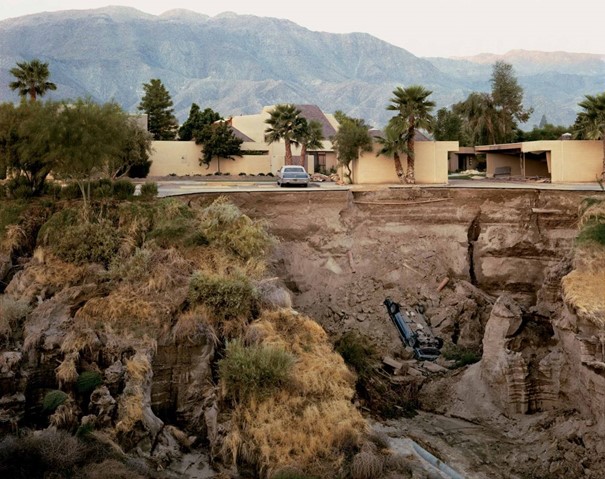
A thematic focus was also needed for the systematic collection of photographs, and this was provided by his travels to America. Through his work, he often travelled to the continent, and drove a great deal whilst there. He became increasingly familiar with the American world of motoring, evolving from an initial visitor to a participant who moved comfortably within that milieu. And after a few spontaneous purchases of photographs, the realisation dawned that here, at last, was the focus he had been seeking.
30×30
István Hoffmann's vision of contemporary collecting
Gábor Ébli
In aesthetic terms, his main message was to value the different branches of creative art equally. Amidst the dominance of painting in Hungary, this was a bold stand in favour of other forms of object creation.
Nationality and Internationalism
Central European Art from the Böhm Collection
Gábor Ébli
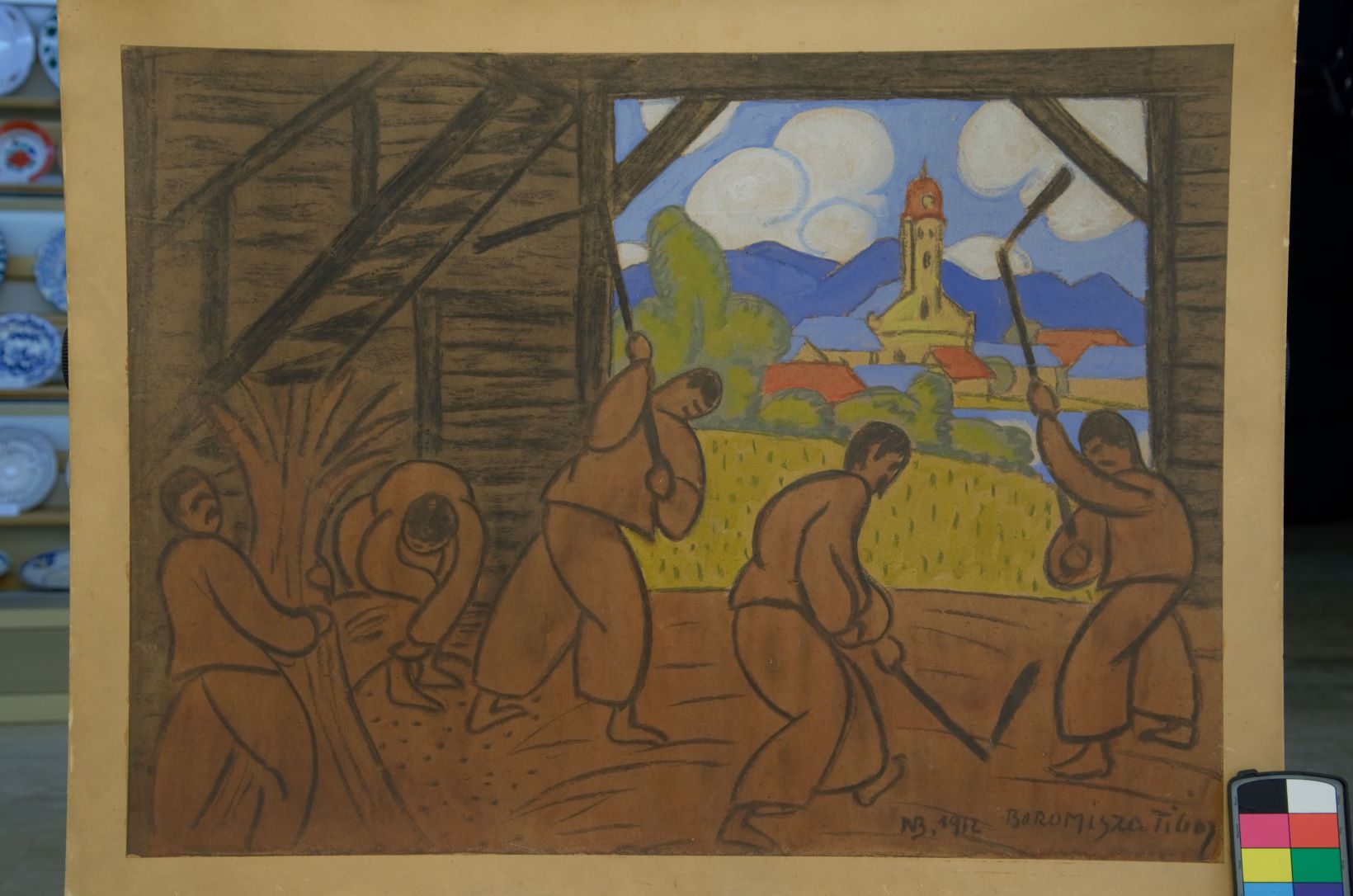
From Nagybánya to New Objectivity. A selection from the collection of József Böhm, Liszt Institute Stuttgart, November 12 2025 – January 15 2026
Tense Silence
Exhibition series from Péter Horn's collection
Gábor Ébli
“Around the Sun in the Stars”, István Szentandrássy Roma Art Gallery, 12 October 2025 – 4 January 2026
Reclaiming Buda Castle
Thirty-Five Years of an Artist – Gallerist – Collector Triangle
Gábor Ébli ╱ Translation by Kecze Zsófia
“A Part of …” – Selected Works from the Szalóky Collection, Várfok Gallery, 29 November 2025 – 24 January 2026
Triple Anniversary of an Artist-Run Space, Patronage Program and Residency
Contemporary Art from the Petro–de Chalendar Collection
Gábor Ébli
The common denominator of the Collection’s segments is art patronage. International specialist Kinga Petro and composer, music director Philippe de Chalendar do not merely collect artworks; they collaborate with artists, support their international mobility, and foster the creation of new pieces. Their role as patrons is rewarded through the Collection itself.